Planning to shop for a condo between runs or thinking about listing while the lifts are spinning? In Steamboat Springs, ski season can change the housing market week by week. You want to make the most of that momentum without getting swept into rushed decisions. In this guide, you’ll learn how winter crowds influence showings, inventory, days on market, and pricing in the Mountain Area so you can time your move with confidence. Let’s dive in.
Why winter changes demand
Ski season brings a surge of on-site buyers. Vacationing guests, second-home seekers, and investors are in town, which concentrates showings and increases competition for the most desirable listings. Many buyers also prefer to shop while they can see a property in true winter conditions.
Investor interest often strengthens in winter. Strong seasonal occupancy and average daily rates for short-term rentals can make certain properties more attractive for income potential, especially near the resort.
On the supply side, some owners avoid listing during peak guest weeks to preserve personal use, while others list to capture motivated buyers. That split often creates temporary inventory tightness in ski-adjacent pockets.
Key takeaway: Winter concentrates buyers, while some sellers hold off. That mix can speed up deals for well-priced, ski-proximate properties.
Mountain Area dynamics
The Mountain Area, close to Steamboat Ski Resort, tends to feel seasonality most. Ski-adjacent condos and homes often see more in-person tours during December through March, particularly on holiday weeks and weekends. When buyers are in town, same-day or next-day showings are common.
Inventory can be especially tight here in winter if owners reserve dates for personal use or short-term rentals. At the same time, listings positioned for lifestyle and rental performance can draw fast interest.
What this means for you: Expect stronger competition for properties with lift access or easy shuttle routes, and be prepared to act promptly when the right fit appears.
Showings and timelines
When buyer presence is concentrated, requests for tours rise. Properties priced to current market expectations tend to attract offers faster during peak ski weeks. This can compress timelines for inspections, appraisals, and closing coordination.
If you are touring while on vacation, you may face a shorter decision window. Sellers, in turn, should anticipate quick showings, stacked appointment windows, and the possibility of accelerated escrow schedules.
Tip: Whether you are buying or selling, align your team early so documents, lender approvals, and disclosures are ready before peak weeks.
Inventory and pricing shifts
In winter, the balance can tilt toward sellers in the most desirable micro-locations. With more buyers present and fewer new listings in some segments, days on market can shorten. Well-positioned properties may achieve prices near or above list during intense weeks.
Outside those micro-peaks, the market can normalize quickly. Shoulder seasons often bring a broader selection and a bit more time to evaluate options.
Bottom line: Seasonal pricing strength tends to concentrate around ski-proximate listings during high-traffic weeks, while broader windows may appear in spring and late summer.
Buyer strategies in ski season
- Get your financing path cleared before you fly. A vacation or second-home loan can have different requirements. Ask your lender for realistic timing on approvals in winter.
- Reserve showing windows early. Popular listings can book up during holiday weeks. Ask your agent to pre-schedule routes and access.
- Evaluate winter usability. Check parking, snow storage, driveway grade, HOA snow removal, and access to transit or lifts.
- Set decision rules before you tour. Agree on your must-haves, walk-away points, and offer ceiling so you can act confidently if timing tightens.
- Plan for contingencies. If you are leaving town, coordinate remote inspections, virtual follow-ups, and digital signing so you avoid rushed choices.
Buyer advantage: Touring in winter lets you see how a property truly lives in snow and cold, which summer showings cannot replicate.
Seller strategies for winter
- Time to capture presence. Listing in late fall through peak winter can put your property in front of motivated second-home buyers and investors who are already here.
- Prepare for rapid activity. Have pre-list inspections, maintenance receipts, HOA and rental docs, and utility records ready to share on day one.
- Stage for winter life. Highlight mudrooms, gear storage, heated garages, fireplace settings, and efficient entries for boots and skis.
- Make access seamless. Keep driveways, walkways, and decks cleared. Ensure lighting and signage are visible in snow and early dusk.
- Coordinate with guest calendars. If the property is rented, build a plan for showing windows between bookings.
Seller advantage: The right presentation plus easy access can lead to faster, cleaner offers when buyer traffic peaks.
Features that win in winter
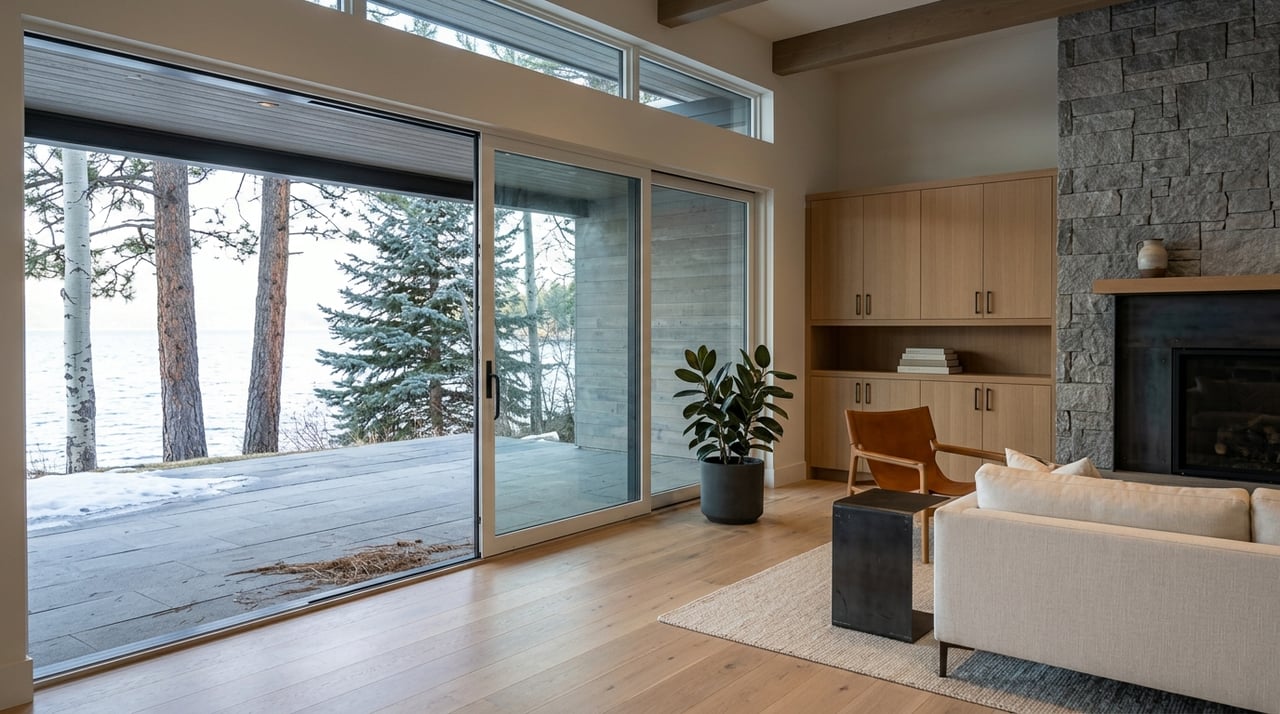
Certain features move up the priority list in ski season. Proximity to lifts or reliable shuttle service matters more when snow is deep. So do heated garages, radiant floors, robust mudrooms, and well-organized gear storage.
Buyers also look for proven snow removal, reliable utilities, and energy performance that keeps winter costs predictable. For condos, clear HOA policies and strong building maintenance records help reassure out-of-town purchasers.
If you are selling: Showcase these features in your marketing and at showings so buyers can picture an easy, comfortable winter routine.
STR factors to weigh
Winter often drives the highest occupancy and nightly rates for short-term rentals. That seasonal revenue can shape how buyers value ski-area condos and townhomes, especially in the Mountain Area.
Before you underwrite income, evaluate local short-term rental rules, licensing, and any nightly minimums. Strong management and reliable cleaning, snow removal, and maintenance partners are essential to protect guest experience and repeat demand.
Investor note: A compelling winter curve is only part of the picture. Year-round performance depends on shoulder-season demand and summer draws.
Closing logistics in winter
Winter is busy for lenders, appraisers, inspectors, and title teams. Build in realistic buffers and lock appointments early. If you are not in town, plan for remote signings and digital document exchange.
Weather can also affect travel and access. Have a backup plan for inspectors, and confirm that utilities stay on for the full inspection period.
Pro move: Align your lender, title, and agent on a shared timeline before you write or accept an offer.
Timing your move
- If you want maximum exposure to in-market second-home buyers, list in late fall to ride the December to February wave. Be ready for quick showings and potential multi-offer moments.
- If you prefer a bit more breathing room, target the shoulder seasons. Spring and late summer can offer broader selection for buyers and steadier schedules for sellers.
- Watch the broader market. Interest rates and national trends can amplify or mute seasonal effects. Use recent local reports to calibrate expectations.
Your goal drives timing. Optimize for either speed and concentrated exposure, or for selection and negotiation space.
What can change seasonality
Season length, major events, and airline schedules can nudge weekly patterns. Holiday weeks often spike activity, but those short surges do not always reflect month-long behavior.
Macro cycles matter too. Rate moves or big shifts in buyer confidence can override typical seasonality. Micro-neighborhoods behave differently as well, so compare Mountain Area patterns to downtown and nearby valleys, rather than assuming one trend fits all.
Stay flexible: Use multi-year context and current month reports to ground your plan.
Work with a local guide
Ski season rewards preparation. Whether you are buying a second home near the lifts or planning a high-profile sale, you want a team that anticipates winter timelines, showcases the right features, and navigates STR questions with care.
The Vanatta Group pairs boutique, high-touch service with deep neighborhood knowledge across Steamboat and Routt County. You get premium presentation, disciplined transaction management, and seasoned guidance on timing so your next move aligns with both lifestyle and asset goals.
Ready to talk strategy? Schedule a private consultation with The Vanatta Group.
FAQs
Will I get more showings if I list during ski season in Steamboat?
- You can expect higher in-person tour activity during peak winter weeks, especially for ski-proximate listings in the Mountain Area.
Do prices typically rise in winter near the resort?
- Desirable, well-priced properties close to lifts can see stronger pricing during high-traffic winter weeks, though effects vary by micro-location and year.
How fast could my home sell in December versus June?
- Winter buyer concentration can shorten days on market for the right listing, while shoulder seasons may offer steadier timelines but less urgency.
Is buying on a ski trip a smart move?
- It can be, because you see true winter performance, but plan ahead for financing, inspections, and a decision framework so you are not rushed.
How does short-term rental income affect value in winter?
- Strong winter occupancy and rates can boost investor interest for Mountain Area condos, but year-round performance and local rules also drive valuation.
Which winter-ready features matter most to buyers?
- Heated garages, gear storage, quality snow removal, energy efficiency, and easy lift or shuttle access tend to rank high in ski season.
What if I prefer a less competitive market?
- Consider shopping or listing in the shoulder seasons to gain more selection and calmer schedules, then compare results with current winter data.