Trying to choose between Steamboat’s South Valley and the South and West corridor for a ranch purchase can feel like two great options pulling in different directions. You want land that fits your vision, water that works, and a location that supports your lifestyle. In this guide, you will see how these areas compare on the factors that matter most: land and ranch use, water and rights, access and amenities, zoning and future outlook, and due diligence. By the end, you will have a clear framework to move forward with confidence. Let’s dive in.
South Valley vs South & West: Orientation
South Valley, defined
The South Valley is the classic ranch corridor south of downtown Steamboat Springs, primarily along Highway 131 and County Road 14. It includes ranch communities and land preservation subdivisions near Lake Catamount, Alpine Mountain Ranch, Priest Creek, and Big Valley or Dakota Ridge. Many parcels blend clustered homesites with preserved open land and working pasture.
South & West corridor, defined
Local planning often uses “South and West” to cover two settings:
- West Steamboat and Brown Ranch inside or near the Urban Growth Boundary, where municipal growth and services are the focus. You can review the public planning context on the Yampa Valley Housing Authority’s Brown Ranch page.
- Stagecoach and the Stagecoach Reservoir area farther south or southwest, where larger, more remote ranch parcels sit in a landscape shaped by reservoir operations and county planning. The reservoir is managed by the Upper Yampa Water Conservancy District and is central to local supply and releases. Learn more on the district’s Stagecoach Reservoir overview.
Land and ranch fundamentals
Topography and parcel patterns
- South Valley parcels span rolling meadows, irrigated hayfields, and aspen stands, with lot sizes that range from modest acreage in land preservation subdivisions to legacy ranches of hundreds of acres. Many settings emphasize long views with clustered homes and preserved remainder acreage.
- Stagecoach and the broader southern reaches offer larger, more agricultural parcels with greater variation in soils and forage. Productivity often depends on each parcel’s ditch system and water delivery. In both areas, parcel-level soils, septic suitability, and building envelopes are site specific and should be verified with Routt County Planning and GIS. You can begin with the county’s Planning Commission resources.
Grazing, hay, and improvements
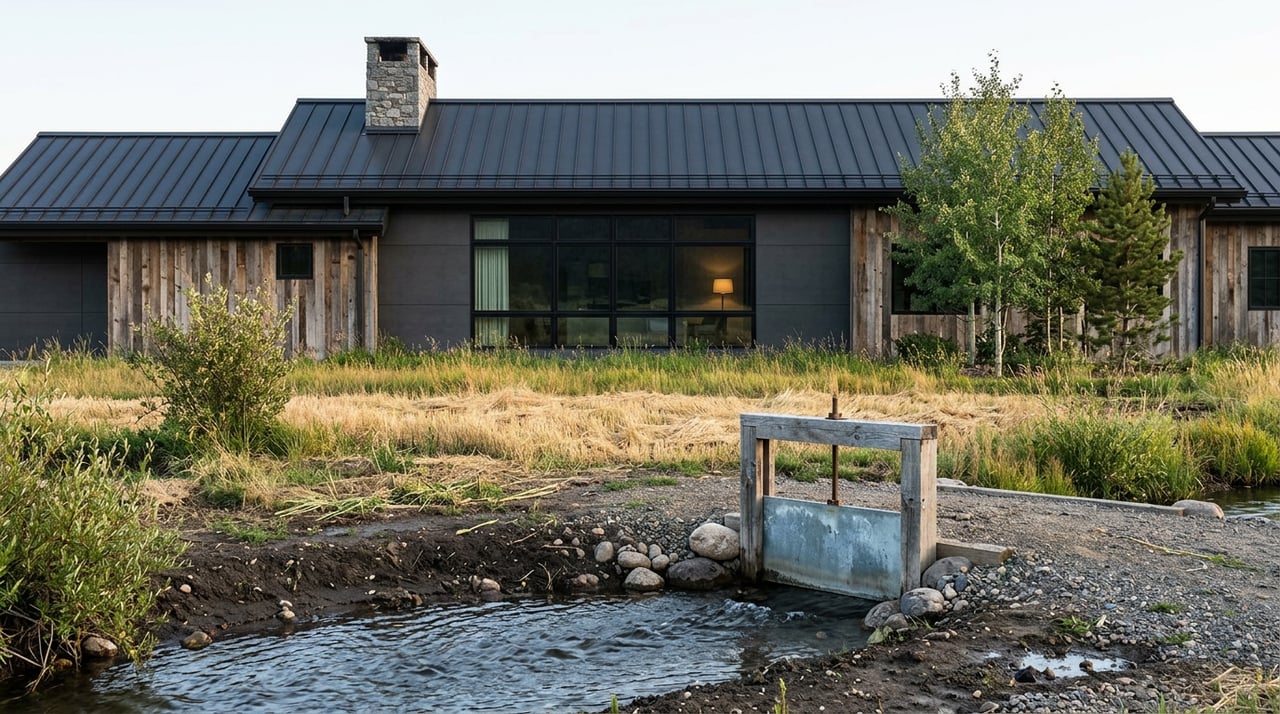
Irrigated hay and pasture are common, especially in the South Valley. You should confirm ditch easements, headgates, and turnout condition, as well as barns, corrals, and fencing quality. Regional partners have also invested in upgrades that improve irrigation delivery and reduce river impacts in places along the Yampa corridor, as illustrated by the Williams Ditch delivery and habitat project.
Water and rights: your pivotal call
Stagecoach Reservoir and local flows
Stagecoach Reservoir is the primary storage facility in southern Routt County and supports irrigation, municipal, environmental, and hydropower uses. Storage and releases are managed by the Upper Yampa Water Conservancy District, and contracts are often a key part of downstream use. For a foundation on local operations, see the district’s Stagecoach Reservoir information.
The Yampa basin also benefits from coordinated flow support in late season. Partners such as the Yampa River Fund and the Colorado Water Trust have helped finance and time releases for instream flows. You can read a regional overview of these collaborations in the Denver Gazette’s reporting on Yampa River flow protection.
Water rights 101 for buyers
Colorado’s prior appropriation system recognizes water rights as separate property interests. You should confirm all well permits, ditch-company shares, decreed surface rights, and any augmentation or storage contracts with the Colorado Division of Water Resources (Division 6 for the Yampa/White/Green). Start with the state’s DWR portal. Expect to verify measurement devices and administration details, since the basin has moved toward clearer measurement and regulation.
How water differs by area
- South Valley: Many parcels rely on historic ditch deliveries and, in some cases, reservoir-backed flows. This can provide dependable summer irrigation for hay and pasture if priorities and conveyance are solid. Always confirm actual rights and the condition of headgates and ditches.
- Stagecoach area: Proximity to storage is an advantage, yet large new consumptive uses such as golf irrigation or snowmaking can face added scrutiny, formal contracts, and possible infrastructure needs at the reservoir outlet. Treat intensive water for amenities as a negotiated commodity, not an assumed right. Upper Yampa’s policies and local public review can factor into timelines and feasibility. See the district’s reservoir overview for context.
Access, commute, and daily life
Getting to town and the ski area
South Valley locations are often prized for their direct routes to the ski area and Old Town, with many parcels a short drive in normal conditions. West Steamboat and Brown Ranch sit a few miles west of Old Town and roughly six miles from the ski resort in planning materials, per Brown Ranch documents. Stagecoach-area properties are typically a longer drive to the ski base and town services, which may be a fair trade for larger acreage or a more rural feel.
Amenity feel and privacy
- South Valley: You get a luxury ranch and lifestyle setting with nearby private lakes, trail systems, equestrian options, and easy access to resort amenities. Many neighborhoods also feature HOA or PUD frameworks.
- West/Brown Ranch: The emphasis is on future municipal services, mixed neighborhoods, and community infrastructure. The character will track annexation and long-term planning outcomes.
- Stagecoach: The appeal centers on larger parcels, remoteness, boating and fishing on the reservoir, and a quieter setting, with fewer immediate in-town conveniences.
Zoning, conservation, and development outlook
Routt County oversees areas outside city limits and uses tools such as Land Preservation Subdivisions to cluster homesites while preserving larger remainder parcels for agriculture and habitat. This helps explain why so much of the South Valley blends premium homes with wide open space. County guidance and approvals run through the Routt County Planning Commission.
In West Steamboat, Brown Ranch is the largest potential development site within the Urban Growth Boundary, but its path forward remains under public deliberation after voters rejected a proposed annexation in March 2024. If you value proximity to future services or redevelopment potential, monitor the Yampa Valley Housing Authority’s Brown Ranch resources for updates on policy, infrastructure, and community decisions.
Around Stagecoach, large resort proposals that include golf or skiing can trigger added county review and water supply scrutiny because they seek significant consumptive use. Recent local coverage has noted how golf course setbacks and reservoir-related issues can delay or reshape plans, as reported by the Yampa Valley Bugle. Water contracting and outlet infrastructure needs at Stagecoach have also been a point of public focus. The Upper Yampa Water Conservancy District’s reservoir page provides core background.
Many South Valley ranches also carry conservation easements or remainder restrictions that limit future subdivision and protect open space. Always review recorded documents and the easement holder to understand permitted uses and market implications.
Who should choose which corridor
- Choose South Valley if you want immediate proximity to the ski area and town, high-amenity ranch settings, and smaller to mid-sized acreage in neighborhoods that balance privacy with services. Conservation patterns can also reduce near-term uncertainty about adjacent development.
- Choose Stagecoach or the broader southern holdings if you need larger contiguous acreage, prioritize a working ranch operation, or prefer a more remote feel with reservoir-based recreation, and you accept a longer drive to town.
- Choose proximity to West Steamboat or Brown Ranch if you value being near planned municipal services and potential long-range infrastructure. Recognize that Brown Ranch’s future remains under discussion, so timelines and outcomes are not yet fixed.
Due diligence checklist for ranch buyers
Use this short list to structure your evaluations:
Title and encumbrances. Confirm recorded conservation easements, deed restrictions, and any LPS remainder obligations through county records and your title company. Start with Routt County Planning for process context.
Water rights and measurement. Pull DWR well permits and logs, decreed surface rights, ditch-company shares, and any augmentation or storage contracts. Verify required measurement devices. The Colorado Division of Water Resources is your authoritative source.
Irrigation conveyance. Inspect headgates, ditch easements, and turnout condition. Ask about shared maintenance, assessment history, and whether deliveries rely on reservoir outlets that may need upgrades. For a sense of ongoing modernization work, review the Williams Ditch project.
Wells and septic. Confirm permit status, well yield, and water quality, plus septic design approvals and capacity. Junior domestic wells can be curtailed under a senior call. Check records with the DWR.
Access and roads. Verify winter maintenance, plowing responsibilities, gated access easements, and county versus private road status. Your approach road affects everyday usability and insurance. See Routt County Planning for jurisdictional context.
Hazards and natural resources. Review wildfire resiliency, floodplain or wetland mapping, riparian buffers, and wildlife considerations. Brown Ranch planning materials also highlight local hazard planning and infrastructure coordination, which you can scan via YVHA’s Brown Ranch hub.
Market comps and liquidity. Large ranches trade infrequently. Expect to work closely with your broker for MLS data, closed-sale context, and trends by submarket.
Representative property profiles
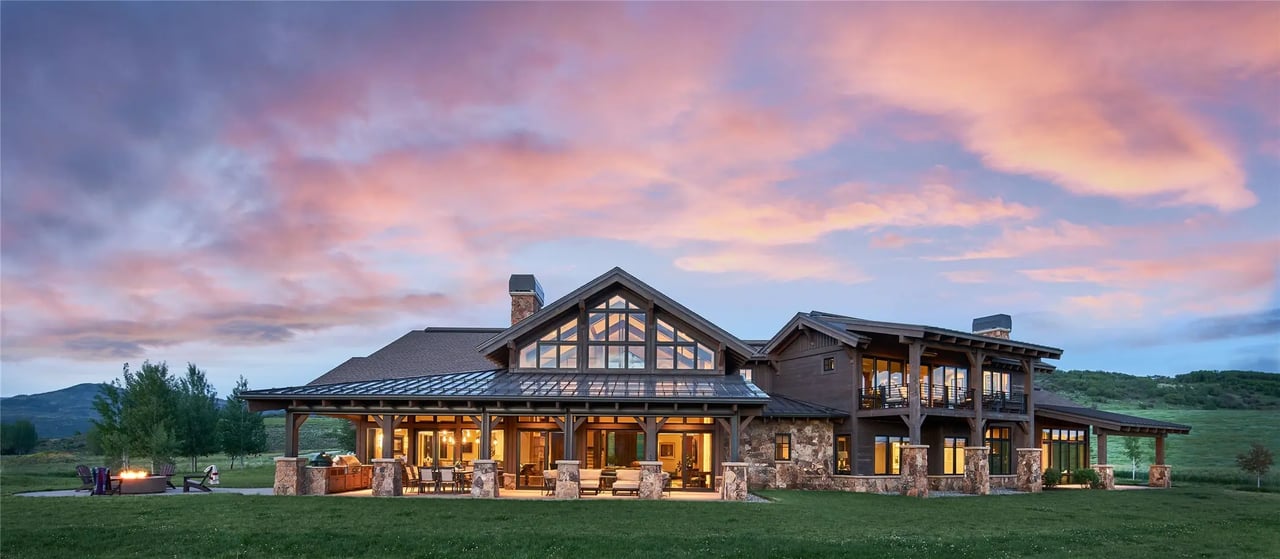
High-amenity small to mid ranch, South Valley. Expect 5 to 50 acres in land preservation or ranch-style communities with trail systems, private lakes, or HOA services. The appeal is fast access to the ski area and town, combined with view corridors and polished infrastructure.
Mid to large working ranch, Stagecoach and broader southern reaches. Expect larger acreage, multiple outbuildings, hay and grazing focus, and more variable irrigation infrastructure. Drive times to the ski area are longer, but operational scale and privacy are stronger.
Development-adjacent holdings, West Steamboat. Parcels near Brown Ranch may gain from future services or city expansion if a path emerges. Policy and funding are still in flux, so follow public processes closely through YVHA’s Brown Ranch resources.
Your next step
If you want luxury ranch living close to the resort, the South Valley is likely the right fit. If you want larger operational acreage and a quieter setting, look south toward Stagecoach. If you value proximity to potential future services, watch West Steamboat. Wherever you land, align your search with water reality, access, and recorded encumbrances. For a tailored plan, private tours, and coordinated due diligence, connect with The Vanatta Group to schedule a private consultation.
FAQs
What is the South Valley in Steamboat Springs?
- The South Valley is the low-density ranch corridor south of town along Highway 131 and County Road 14, with clustered homesites, preserved open land, and working pasture.
How does Stagecoach Reservoir affect ranch irrigation in Routt County?
- Stagecoach Reservoir stores water for irrigation, municipal, environmental, and hydropower uses, with releases and contracts managed by the Upper Yampa Water Conservancy District; see the district’s Stagecoach overview.
What is Brown Ranch and why does it matter to West Steamboat buyers?
- Brown Ranch is a large planning site inside the Urban Growth Boundary focused on future housing and services; its annexation path is unsettled, so you should monitor YVHA’s Brown Ranch updates.
What is an LPS and how could it affect my ranch parcel?
- A Land Preservation Subdivision clusters homesites while preserving large remainder parcels for agricultural and habitat uses, shaping density and future subdivision; see Routt County Planning.
Are there public efforts to support Yampa River flows in late season?
- Yes. Partnerships like the Yampa River Fund and Colorado Water Trust have supported timed releases for instream flows; the Denver Gazette provides an overview.
Do large resort proposals around Stagecoach face special review?
- Proposals that include golf or snowmaking often undergo added county scrutiny for water supply, setbacks, and nutrient concerns; see local reporting from the Yampa Valley Bugle.