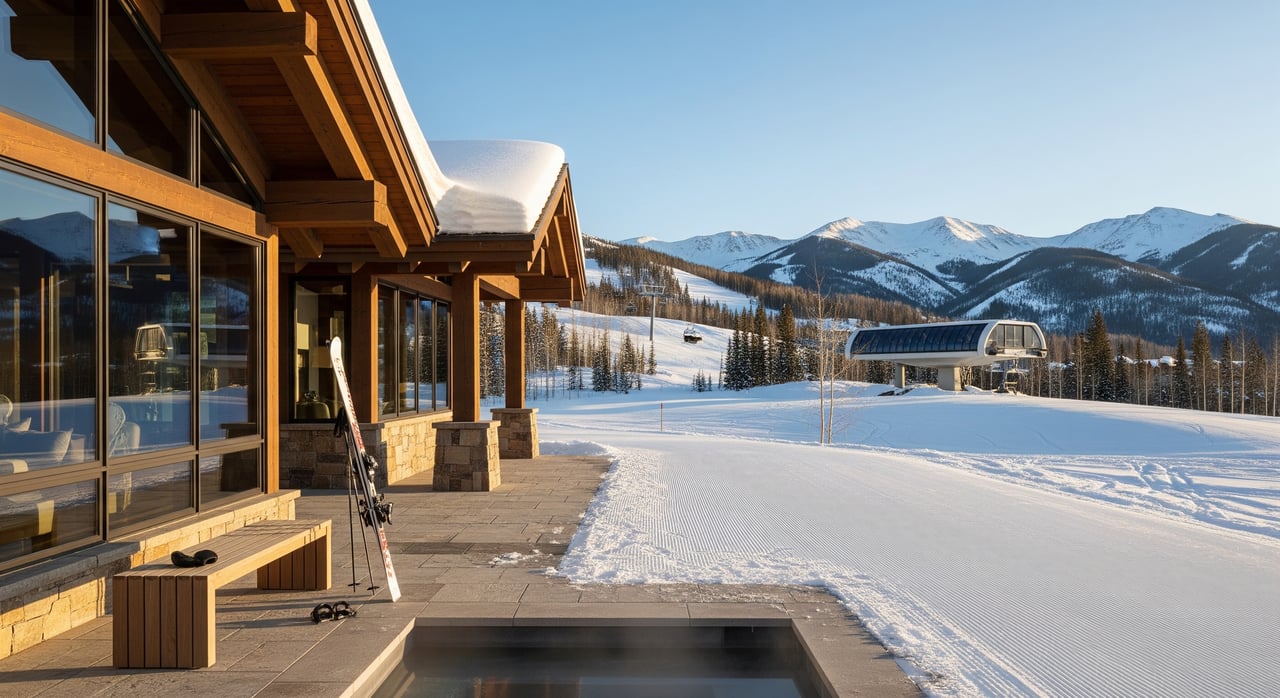
Picture your perfect powder morning. Do you want to click in at your door and glide to a trail, or take a short, easy walk to the gondola with a coffee in hand? In Steamboat Springs, both experiences are possible, and both can be smart choices. The key is understanding how each access type changes your day, your budget, and your resale outlook.
This guide breaks down true ski-in/ski-out and walk-to-gondola living in the Steamboat Mountain Area. You will learn how access really works, what to verify, the costs and rules to expect, and which option may fit your lifestyle. Let’s dive in.
What ski-in/ski-out really means
True ski-in/ski-out means you have direct, legal, and practical access onto or from maintained ski terrain without using a car or doing significant non-ski travel. In practice, that looks like clicking in at or near your door and gliding to a maintained trail, then skiing back to your property at day’s end.
There are variations. Some homes or condos sit right on a maintained run with immediate access. Others are terrain-adjacent, where you step a few yards to a groomed access point. Both are often marketed as ski-in/ski-out, but the day-to-day convenience can differ.
For a property to be considered truly ski-in/ski-out, confirm there are no barriers between you and the ski terrain. Roads, fences, or unpermitted private land can interrupt your route and reduce usability.
What walk to gondola means
Walk-to-gondola, walk-to-lifts, or short-shuttle access describes properties where you reach the gondola or a primary lift with a brief walk, often under 10 to 15 minutes. The route may include sidewalks, mild slopes, stairs, or crossings.
A short shuttle is also common in the Mountain Area. These routes typically take 3 to 10 minutes, depending on schedule and stops. Shuttle frequency and reliability are important details to check.
Many listings present walk-to-gondola as nearly equal to ski-in/ski-out. For some buyers it is, but your experience will depend on the route, gear handling, and weather. Always test the path in winter conditions if you can.
Daily life: how access changes your routine
Time and effort
- Ski-in/ski-out saves prep and commute time and cuts out parking logistics.
- Walk-to-gondola adds a short window for gearing up and walking with boots and skis.
- Shuttles add wait time and can slow during peak periods.
Gear handling
- Ski-in/ski-out buildings often include gear storage, boot benches, racks, or slope-side lockers.
- If you plan to walk, look at elevator access, stair counts, and doorways you will navigate with equipment.
- Ask whether the gondola base offers secure storage or easy drop-off for heavier items.
Weather and seasonal reliability
- Ski-in/ski-out depends on snow coverage and grooming. Low-snow years or early and late season conditions can limit ski access.
- Walk routes can be impacted by ice, heavy snow, or temporary closures for maintenance. Shuttle operations can vary with weather.
Safety and accessibility
- Confirm whether you must cross roads, tackle steep stairs, or traverse slick surfaces.
- Consider lighting and visibility for early or late ski sessions.
- Assess whether the route is practical for children, older adults, or anyone with mobility considerations.
Year-round utility
- Ski-in/ski-out holds peak value for frequent winter use.
- Easy walk-to-gondola or town access can appeal if you plan to spend time in Steamboat year-round for hiking, biking, and events.
Cost and HOA differences to expect
Across resort markets, true ski-in/ski-out homes and condos usually carry a purchase premium over non-slope properties. The exact premium in Steamboat depends on micro-location, property type, and market cycle, so you will want recent, local comparable sales that match the same access type.
HOA fees in on-mountain and base-area developments are often higher because of shared costs. These can include snow removal on private walks and stairs, shuttle service, trail or utility maintenance, on-site staff, insurance, and amenities. Walk-to-gondola or town locations can have lower fees but may offer fewer services. Verify who maintains the walk route you plan to use and how it is funded.
Operating costs can also differ. Expect meaningful snow management, higher heating needs, and wear and tear from rental traffic in slope-area buildings. Insurance can vary based on fire exposure, liability tied to slope easements, and local hazards. Always request representative insurance quotes during due diligence.
Short-term rentals and local rules
If you plan to rent, short-term rental income can improve your return, but it is shaped by local licensing, taxation, and occupancy rules. The City of Steamboat Springs and Routt County have permitting and tax requirements that affect nightly rentals.
HOA documents matter just as much. Many HOAs set minimum stays, define rental management requirements, limit occupancy, or add fees. These rules can shift your forecast and operations. Confirm the current city and county requirements and read the full HOA documents, including any recent amendments.
Resale, appraisal, and marketability
Ski-in/ski-out has strong appeal among avid skiers and vacation-focused buyers, but the pool may be narrower and more premium oriented. Walk-to-gondola tends to attract a broader range of users, which can support liquidity in different market cycles.
For valuation, appraisers rely on documented access and relevant comps. Deeded easements, maintained routes, and proven use carry more weight than marketing language. When you analyze sales, separate true ski-in/ski-out from walk-to-lift or shuttle comps to get clean pricing signals.
Future appreciation depends on factors like resort visitation, lift investments, local infrastructure, STR demand, and regulatory changes. Environmental risks, including lower snowpack or wildfire, can also influence values over time.
Steamboat-specific checks to make
Steamboat Resort operations evolve. Lift and gondola terminals, trail maps, and on-mountain construction can change how you reach the slopes. Confirm current trail connectivity during your search.
Microclimates within the Mountain Area also play a role. Elevation can influence snow reliability and season length. Higher-elevation access often holds snow longer, which can improve day-to-day usability.
Transportation matters too. Review private and municipal shuttle options, frequency, and stop locations. Check base-area parking policies, ADA access, and winter reliability. Street parking and overnight rules in mountain neighborhoods can affect owners and guests.
Environmental and safety factors deserve attention. Some mountain properties can sit in or near avalanche runout zones, and many areas carry wildfire risk with defensible space requirements. Ask for local hazard maps and review any mitigation measures tied to the property.
Due diligence checklist for buyers
Use this short list to verify claims and protect your purchase:
Property access and legal rights
- Obtain the recorded deed and title report, and verify any ski-trail access easements.
- Request HOA bylaws, CC&Rs, budgets, insurance details, and minutes that discuss trail access or shuttle service.
- Confirm whether access crosses resort land, HOA land, or private parcels, and whether any rights are revocable.
Physical route and operations
- Inspect the winter route from your door to the slope or gondola. Evaluate stairs, crossings, lighting, and grooming.
- Ask who handles snow and ice removal and how often it occurs.
- Verify ski and boot storage, elevator access, and any steps or street segments you will navigate with gear.
Financial and regulatory items
Collect recent comps that separate true ski-in/ski-out from walk-to-lift or shuttle.
Request sample insurance quotes that reflect wildfire, avalanche, and liability exposure.
Verify current short-term rental rules and taxes for the City and County, plus HOA rental policies.
Marketability and revenue
- Ask for average days on market for each access type.
- If investing, review occupancy, revenue history, and net income after HOA and operating costs.
Safety and hazards
- Review local avalanche mapping and any mitigation programs.
- Verify wildfire risk zone and required defensible space or maintenance.
Practical visit questions
- How long is the walk in minutes, including in difficult weather?
- Is the path maintained year-round, and by whom?
- Is the route a public sidewalk, private walkway, or HOA lane?
- Are there elevator or stair closures or limited hours that impact access?
- For claimed ski-in/ski-out, what exact trail or turnout is used, and who maintains it?
Which option fits your lifestyle
Choose ski-in/ski-out if you want the highest on-slope convenience, especially if you plan to ski most days and value a fast start. It can be a strong choice for those who prioritize time savings, seamless gear flow, and the slope-side experience.
Choose walk-to-gondola if you want broad usability with simpler ownership costs and flexibility. Many buyers find a 5 to 15 minute walk or a short shuttle delivers almost the same daily joy, with wider appeal for guests and future resale.
If rental income is important, weigh local rules and HOA policies carefully. A walk-to-gondola property with favorable rental terms can outperform a slope-side option with strict limits.
How we help you compare properties
Your best result comes from precise, local verification. Our team pairs on-the-ground insight with detailed document review so you can compare true access, real costs, and likely resale outcomes with clarity. We line up winter-condition route checks, confirm easements and HOA services, and separate comps by access type so you see the full picture before you offer.
Ready to weigh ski-in/ski-out against walk-to-gondola in Steamboat? Connect with The Vanatta Group for a private, data-driven consultation tailored to your goals.
FAQs
What does “true ski-in/ski-out” mean in Steamboat?
- It means direct, legal, and practical access to maintained ski terrain from your property without a vehicle or significant walking, with no barriers between you and the run.
How long is a “walk-to-gondola” in the Mountain Area?
- It typically means a short, flat or slightly sloped walk, often under 10 to 15 minutes, and may include stairs, sidewalks, or crossings.
Do ski-in/ski-out homes always allow skiing all season?
- Not always. Usability depends on snow coverage and grooming. Early and late season or low-snow years can limit practical ski access.
Are HOA fees higher for slope-side properties?
- Often yes. On-mountain developments commonly have higher HOAs to cover snow removal, shuttles, maintenance, on-site staff, insurance, and amenities.
How do short-term rental rules affect my choice?
- City and County permits and taxes, plus HOA rental policies, shape income potential and operations. Verify all rules and fees before you buy.
What documents confirm ski access for appraisal and resale?
- Recorded easements, HOA references to access and maintenance, and recent comps that match access type help support valuation and future resale.