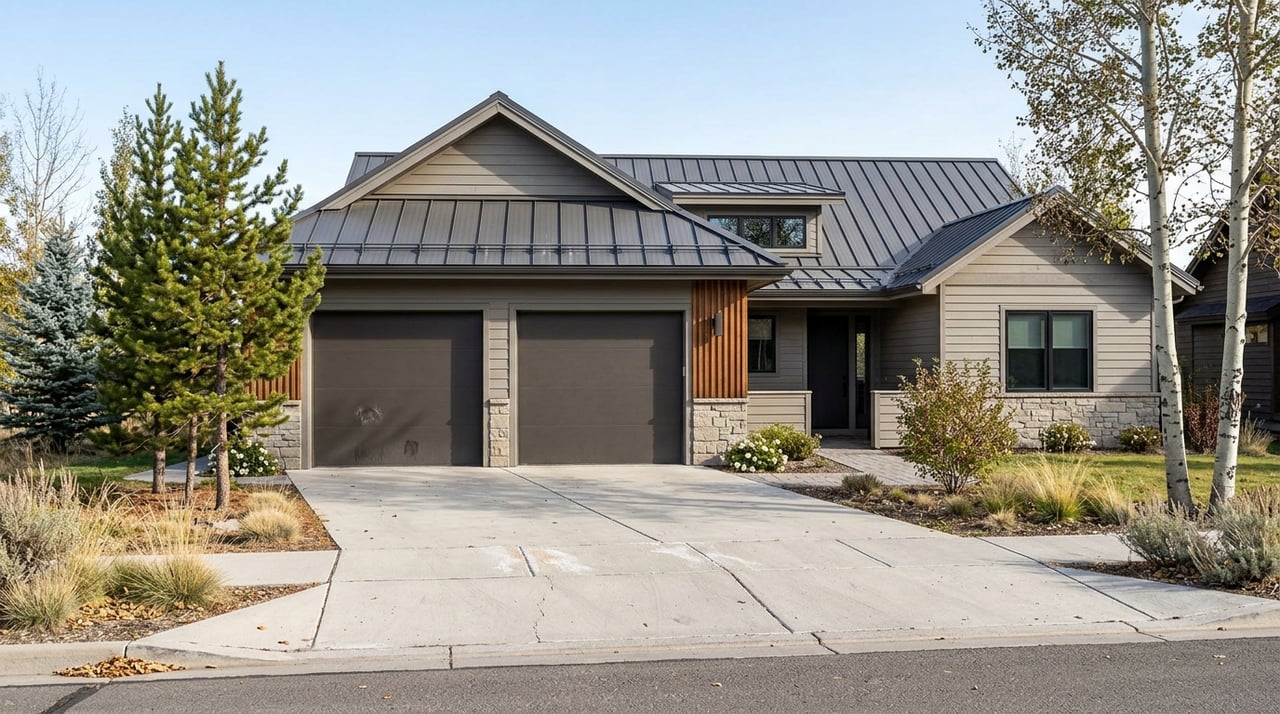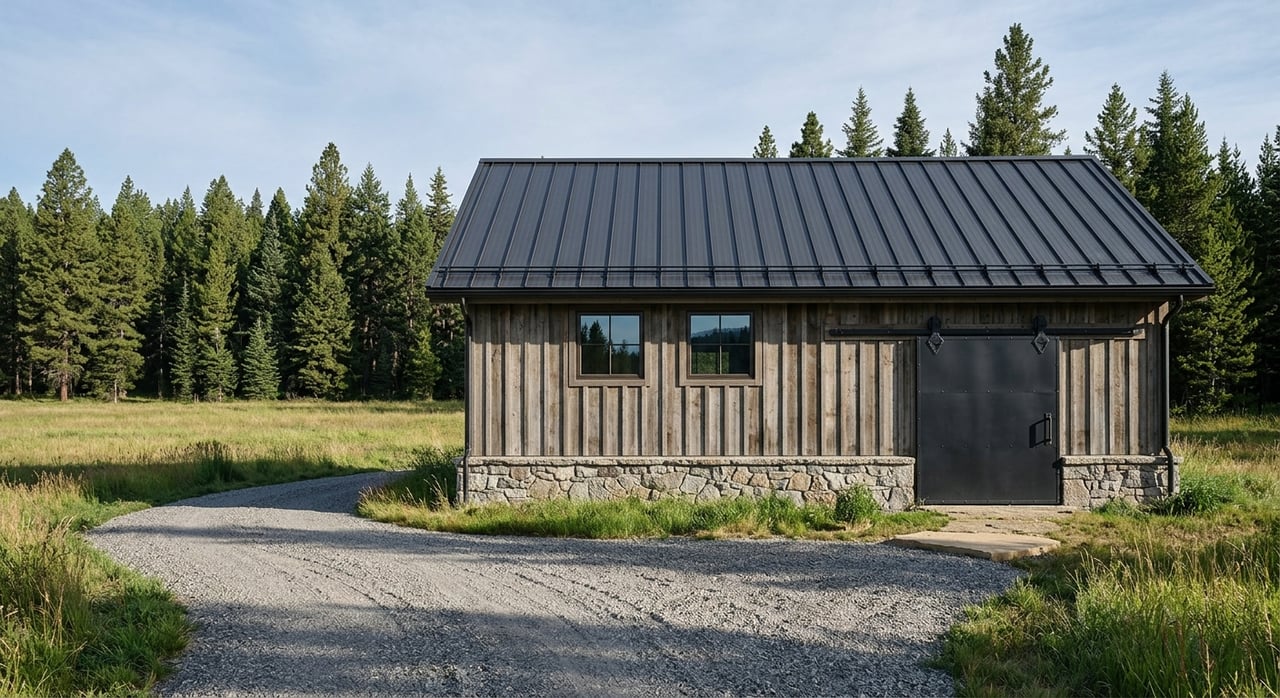
Selling acreage south or west of Steamboat is different from selling a home in town. Buyers are not just looking at square footage or finishes. They are weighing access, water, permitted improvements, land use, and how easily the property can transfer without surprises. If you want to bring your property to market with confidence, the right preparation can strengthen both value and credibility. Let’s dive in.
Why acreage sales need a different plan
Routt County is a land-heavy, rural market with more than 1.5 million acres, including about 755,000 public acres and about 710,000 agricultural acres. Unincorporated development is significantly limited, which means buyers often look closely at what a property can legally and practically support.
That matters in South Valley and West Steamboat, where nearby micro-markets can behave very differently. The Yampa Valley Housing Association study reports a 2024 median home price of $2.5 million in South Valley and $1.12 million in West Steamboat, compared with $1.15 million across Routt County overall. Even though those are not acreage-only figures, they show why broad county averages rarely tell the full story.
For sellers, the takeaway is simple. Acreage value is usually built on documentation, usability, and readiness, not just presentation.
Start with the approach
On a rural property, buyers often form their first opinion before they ever reach the main house. The condition of the drive, gate, fencing, culverts, parking area, and general roadside appearance can shape how they view the entire property.
This is also a practical issue in wildfire country. Colorado State Forest Service guidance says the two main factors in a home’s ability to survive a wildfire are structural ignitability and the quality of surrounding defensible space. Routt County is also under Stage Two fire restrictions on private and state-owned lands outside municipal boundaries.
That makes listing prep more about maintenance than dramatic cleanup. Focus on clearing debris, trimming vegetation around structures, and making the home ignition zone look cared for and manageable.
What to review at the entrance
- Road access and turn-in condition
- Gate function and hardware
- Fence condition
- Culverts and drainage
- Parking and turnaround space
- Debris, scrap materials, or abandoned equipment
- Vegetation near structures
Verify every structure on the property
A barn, shop, garage, deck, loafing shed, guest quarters, or addition can influence value. It can also trigger buyer questions if the records are unclear. Before listing, confirm which structures were permitted, which may qualify as exempt, and whether the current use matches the records.
In Routt County, the regional building department handles building, electrical, mechanical, plumbing, gas, demolition, solar, sign, swimming pool, and spa permits. The county also notes that unincorporated Routt County may offer exemptions for agricultural buildings. At the same time, all of Routt County is in a case-study zone for ground snow load, with design factors that include 115 mph wind loads and 48-inch frost depth.
Those details matter because buyers want confidence that major improvements were built with the local setting in mind. If a structure adds value to the listing, it should have a clean, supportable paper trail.
Pay close attention to guest units
If your property includes a guest house or caretaker space, verify whether it is a legal secondary dwelling unit. Routt County states that SDUs are allowed only in certain situations, and properties under 5 acres must be served by central water and central sewage. Detached SDUs must also meet setbacks and other county requirements.
It is better to clarify that early than to let a buyer discover uncertainty during due diligence. A documented answer is always stronger than an assumption.
Check zoning, covenants, and use permissions
In unincorporated Routt County, every parcel falls within one of 14 zone districts. Each district has its own standards for permitted uses, minimum lot area and frontage, setbacks, and height limits.
Private covenants can add another layer. Routt County notes that subdivision covenants may further restrict use, even though the county does not monitor or enforce them. That is why your listing materials should clearly distinguish county regulations from private restrictions.
If the property supports a home business, studio, or similar accessory use, confirm that use against the Routt County Unified Development Code before marketing it as a feature. Unsupported use claims often create friction later, while documented use permissions can support a smoother transaction.
Confirm water, septic, and access
For rural acreage, water and wastewater documentation can carry as much weight as the home itself. Buyers often want to know not just whether systems exist, but whether they are permitted, adequate, and aligned with actual use.
Routt County’s OWTS guidance says no excavation for septic installation should begin without a permit. It also states that parcels generally must be at least 5 acres unless exempt, and that a Colorado-licensed professional engineer must perform the site and soil evaluation. A complete application is generally reviewed in about 14 working days, although weather, season, and access can slow the process.
For wells, the Colorado Division of Water Resources says the permit file can show allowable uses, the original permit application, and available construction and pump records. In certain residential transactions, buyers must complete a change-of-owner form for a small capacity or domestic exempt well, or register an existing well within 63 days after closing if it has not yet been registered.
If your property includes water rights or well rights that affect value, explain that clearly from the start. Colorado’s standard residential contract treats water-rights review as a separate due diligence item, and deeded water rights and well rights must be conveyed through the proper legal instrument at closing.
Questions buyers will ask
- Is the access legal, usable, and seasonally reliable?
- Is the well permitted, and what uses are allowed?
- Is the septic system permitted for the actual use and bedroom count?
- Do any improvements rely on systems that need updated records?
- Are there water rights, ditch shares, or other rights that convey?
Organize title and boundary records
Acreage buyers and appraisers tend to look closely at what is actually recorded. Before listing, review the core records that define the parcel and support the pricing story.
The Routt County Assessor’s property portal includes parcel maps, land and building attributes, sales history, mill levy breakdown, prior assessment information, and Notices of Valuation. The county clerk and recorder’s records can also be used to review grantor, grantee, subdivision, document type, and document number.
This step helps you catch issues before a buyer does. It also gives your agent a stronger base for marketing, pricing, and answering questions with confidence.
Document agricultural use carefully
If your property benefits from agricultural classification, document that status thoroughly. Routt County states that agricultural classification depends on primary use for monetary profit, not hobby-scale activity.
The county also says a landowner generally needs three consecutive years of agricultural use before a classification change, and annual proof of use should be submitted to maintain that classification. Accepted proof may include leases with proof of payment, Schedule F, profit and loss statements, livestock shipping receipts, conservation easements, or other reasonable proof.
If agricultural use is part of the value story, current records matter. Clear documentation can help a buyer understand the property’s history and avoid confusion about classification.
Build a strong listing packet
A well-prepared rural listing packet reduces uncertainty. It gives buyers, lenders, and appraisers a cleaner path to understanding the property and separating verified value from assumptions.
A strong packet may include:
- Deed and legal description
- Parcel number
- Current assessor printout
- Tax bill or Notice of Valuation
- Survey or plat
- Recorded easements and covenants
- Well permit and any ownership-change or registration records
- Septic permit and as-built or site-soil documents
- Permits for barns, shops, decks, or other improvements
- Secondary dwelling unit records, if applicable
- Water-rights or ditch-share documents
- Grazing leases
- Agricultural-classification proof
This kind of preparation does not just make the property look organized. It helps support a more disciplined and credible sale process.
Time your sale around lead time
Many acreage sellers focus on the desired list date first. In Routt County, it is often smarter to focus on lead time instead.
Permits, septic reviews, site access, and seasonal conditions can all slow preparation. The county’s OWTS guide notes that weather, seasons, and access can delay review and site inspection, which is one reason many rural sellers benefit from using the months before listing to gather records and resolve open questions.
Current Stage Two fire restrictions also affect how some owners approach cleanup. If you are preparing acreage in South or West Routt County, a practical maintenance plan is often more useful than a rushed, last-minute effort.
Price the property on proof, not acreage alone
Acreage pricing is rarely as simple as multiplying acres by a broad market average. South Valley and West Steamboat are distinct micro-markets, and the county’s land composition makes direct comparisons less reliable than many sellers expect.
A stronger pricing narrative usually focuses on the elements buyers can verify and use. That includes privacy, access, water, permitted improvements, documented rights, and how smoothly the property can transfer.
When a parcel may support multiple uses, present those uses conservatively and with documentation. In this market, supported claims tend to hold value better than optimistic claims.
The bottom line for South and West acreage sellers
If you are preparing acreage to sell in the Steamboat area, cosmetic polish is only one part of the job. The deeper value story usually comes from stewardship, legal use, water and wastewater clarity, permitted improvements, and a complete record set that stands up to buyer and appraiser review.
That is where experienced local guidance can make a real difference. A thoughtful preparation plan can help you present the property with confidence, reduce avoidable friction, and position it more effectively in a market where details matter.
If you are considering a sale and want a tailored strategy for your land, ranch, or mountain property, schedule a private consultation with The Vanatta Group.
FAQs
What makes South and West Steamboat acreage different to sell?
- Buyers usually evaluate acreage as a mix of land use, access, water, improvements, and stewardship, not just as a home on a large parcel.
What records should a Routt County acreage seller gather before listing?
- Start with the deed, legal description, assessor records, tax documents, survey or plat, easements, covenants, well records, septic records, permits, and any water-rights or agricultural-use documentation.
What should a seller verify about structures on a Routt County acreage property?
- You should confirm whether barns, shops, garages, decks, guest quarters, additions, and similar improvements were permitted, exempt, and consistent with current use.
Why do water and septic records matter when selling acreage near Steamboat Springs?
- Buyers often want proof that the well and septic systems are permitted, adequate for the property’s actual use, and supported by county or state records.
How should agricultural classification be handled for a Routt County sale?
- If agricultural classification is part of the property profile, you should have current proof of qualifying use, since the county ties classification to primary use for monetary profit and ongoing documentation.
When should you start preparing acreage to sell in Routt County?
- It is often best to start months before listing so you have time to gather documents, review permits, address compliance questions, and work around weather, access, and inspection timing.