Trying to choose between Dakota Ridge and South Valley? It is a common Steamboat question because these two areas can seem similar at first glance, yet they offer very different day-to-day ownership experiences. If you want the right mix of privacy, views, land, and convenience, understanding those differences can save you time and help you focus your search. Let’s dive in.
Start With the Big Picture
Dakota Ridge and South Valley are connected, but they are not the same thing. Dakota Ridge sits just beyond Steamboat Springs city limits off Routt County Road 14, while South Valley refers to the broader corridor south of town along Highway 131 and County Road 14.
A simple way to think about it is this: Dakota Ridge is a more defined neighborhood choice within the larger South Valley setting. If South Valley is the bigger landscape of estates, ranch parcels, and low-density communities, Dakota Ridge is the closer-in, subdivision-style option within that broader area.
Dakota Ridge at a Glance
Dakota Ridge is known for offering an acreage feel without pushing too far from town. Local descriptions point to a private subdivision with 74 home sites, with lot sizes ranging from 2.5 to 15 acres and many homesites commonly described in the 3 to 5 acre range.
The neighborhood infrastructure is part of the appeal. Dakota Ridge is associated with paved roads, a community water system, and common parcels used for activities like winter cross-country skiing and sledding. For many buyers, that creates a more predictable ownership experience than a more rural property farther south.
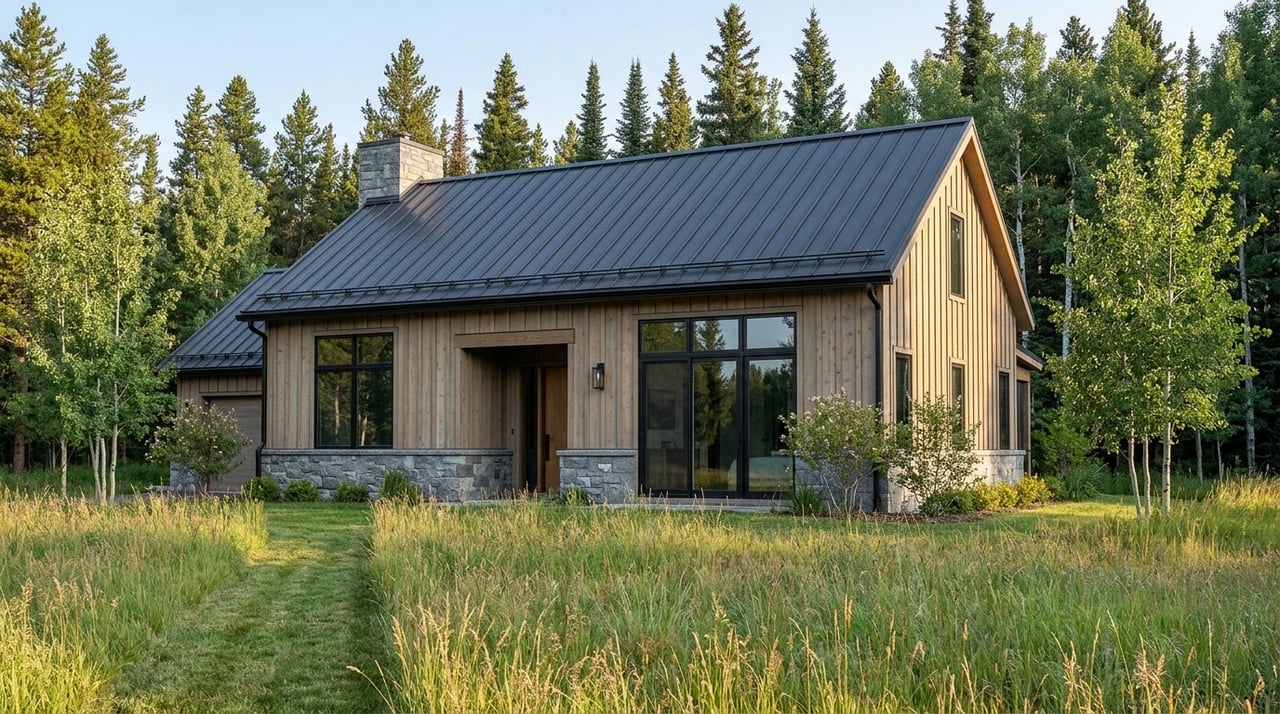
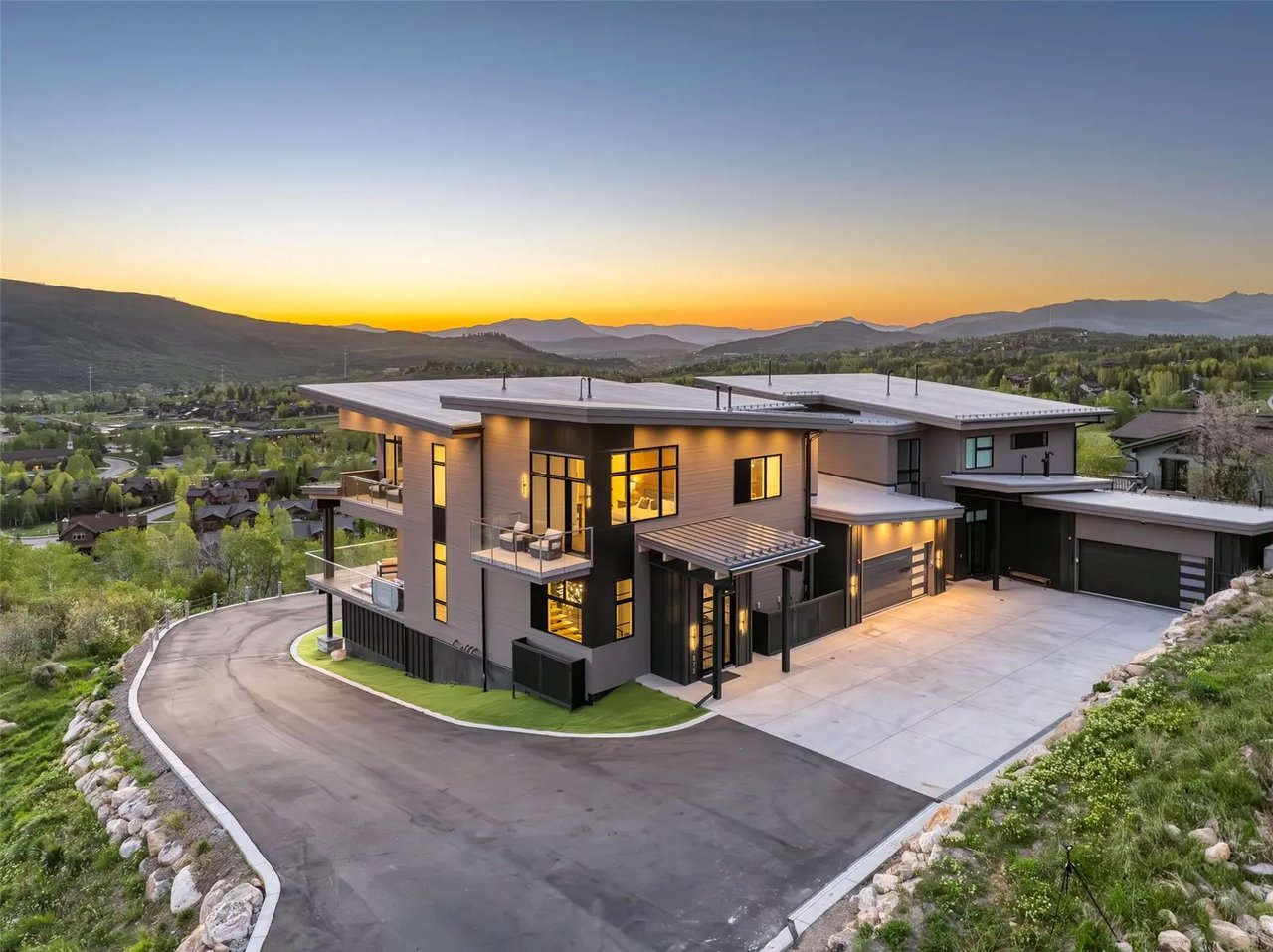
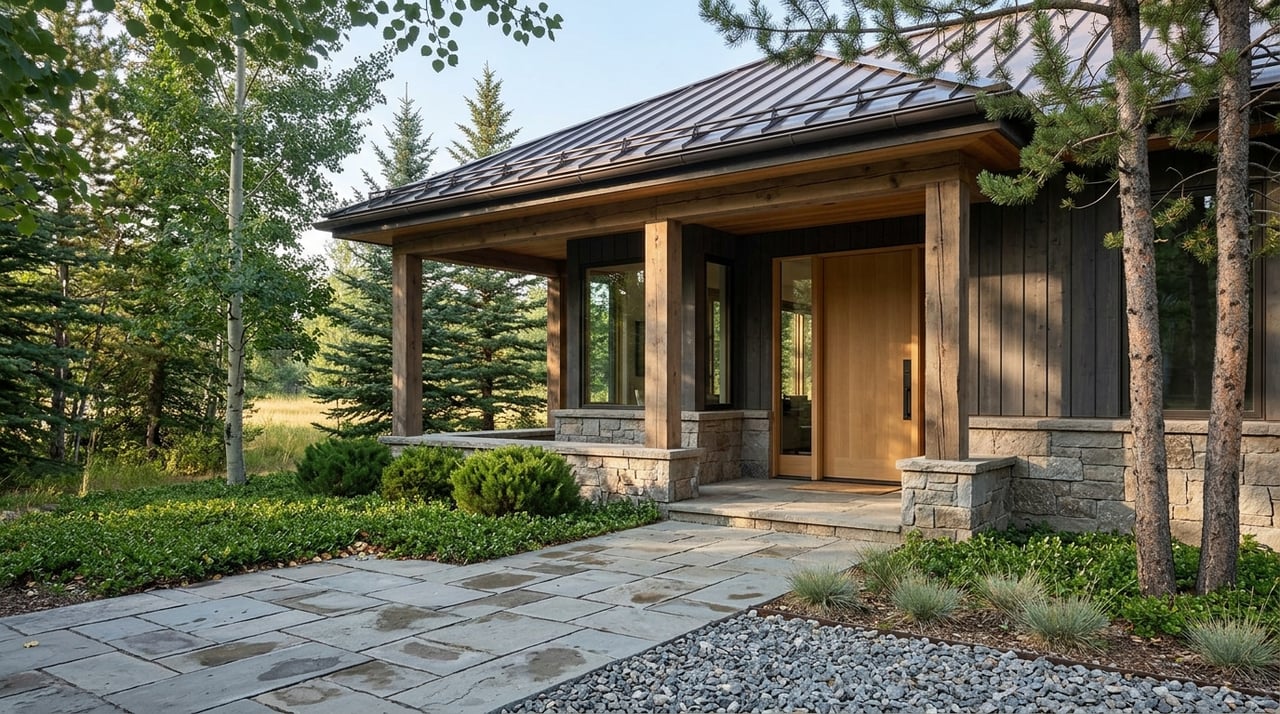
Homes here tend to be custom single-family residences rather than more standardized housing. Listing examples show large homes with high-end finishes, view-oriented design, and a distinctly luxury profile.
South Valley at a Glance
South Valley is broader, more varied, and more rural in feel. It includes a range of communities and estates south of Steamboat Springs, including developments such as Country Green, Steamboat Pines, Dakota Ridge, Big Valley Ranch, Catamount Ranch and Lake Catamount, Alpine Mountain Ranch, and Priest Creek Ranch.
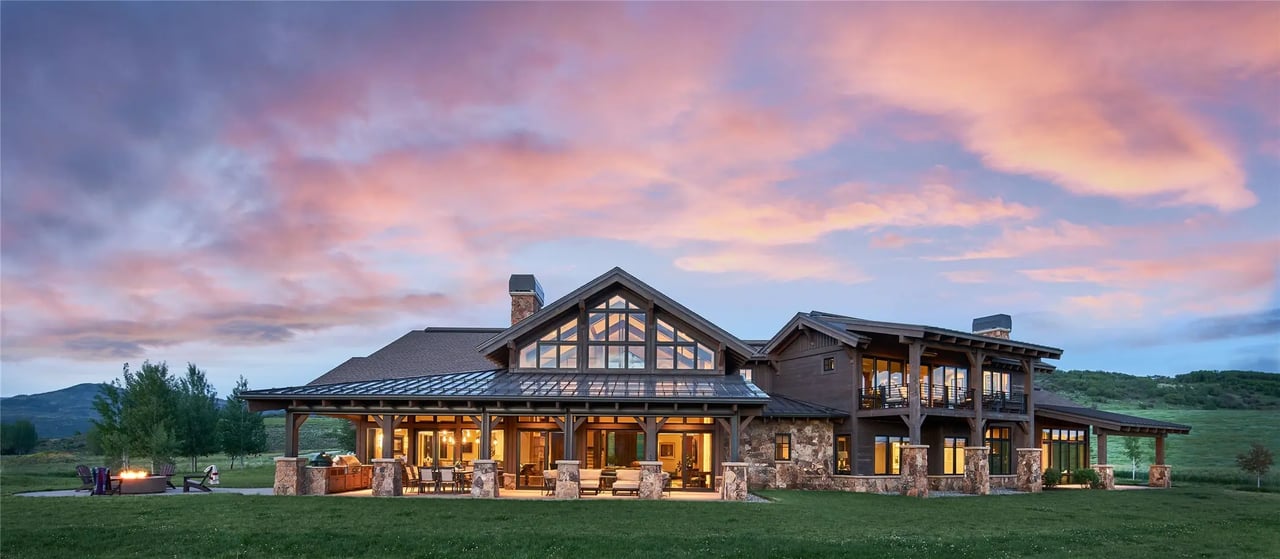
Property types in South Valley vary significantly. Current and recent examples include homes on 9.3, 15, 32, 100, and even 144 acres, with a mix of mountain homes, log homes, ranch properties, barns, guest houses, horse amenities, wells, septic systems, and in some cases no HOA.
That variety is one of South Valley’s biggest strengths. It can offer more land, more operational flexibility, and a wider range of ownership styles, but that often comes with more moving parts.
Dakota Ridge vs South Valley
Choose Based on Convenience
If convenience is high on your list, Dakota Ridge usually has the edge. Local guides describe it as roughly a 5 to 7 minute drive to the grocery store or ski area, which gives you a sense of separation without feeling far removed from daily routines.
South Valley access is more variable by parcel. Some listings describe a 10-minute drive on paved county-maintained roads, while others suggest longer drives of around 15 minutes through the valley. In practice, South Valley can feel very convenient or more remote depending on exactly where the property sits.
Choose Based on Lot Size
If your priority is simply more land, South Valley generally offers the wider range. Dakota Ridge homesites are often in the 3 to 5 acre range, with the broader range cited from 2.5 to 15 acres.
South Valley examples stretch far beyond that, from just over 9 acres to more than 100 acres. If you want room for additional structures, a more expansive buffer, or a larger ranch-style setting, South Valley is typically where that search opens up.
Choose Based on Infrastructure
Dakota Ridge tends to appeal to buyers who want acreage with neighborhood systems in place. Paved roads and a community water system can simplify ownership and make the overall experience feel more structured.
South Valley can be more variable. Depending on the property, you may encounter county-maintained roads, private roads, wells, septic systems, and no HOA. That does not make South Valley better or worse, but it does mean you should evaluate each property more closely from an operational standpoint.
Choose Based on Winter Practicality
Winter access is an important part of buying in Routt County. Dakota Ridge’s paved roads and neighborhood-level infrastructure often make it feel more straightforward for buyers who want a simpler winter routine.
In South Valley, winter conditions can differ more from one property to the next. Routt County maintains county roads, but not state highways, incorporated-town streets, or private roads, so access expectations can vary depending on the parcel and road type.
Choose Based on Views
Both areas offer strong view appeal, but the view experience is different. Dakota Ridge is often associated with elevated ski area, Walton Creek Canyon, and South Valley views, with listing descriptions emphasizing direct ski-area and Yampa Valley sightlines.
South Valley tends to deliver broader, more pastoral panoramas. Depending on the property, that may include views of the ski area, Flat Tops, Rabbit Ears Pass, the Continental Divide, the Yampa River, or Lake Catamount. If Dakota Ridge feels more close-in and elevated, South Valley often feels wider and more ranch-like.
Choose Based on Property Style
Dakota Ridge has a more consistent identity. It is generally defined by custom luxury single-family homes on acreage within a neighborhood setting.
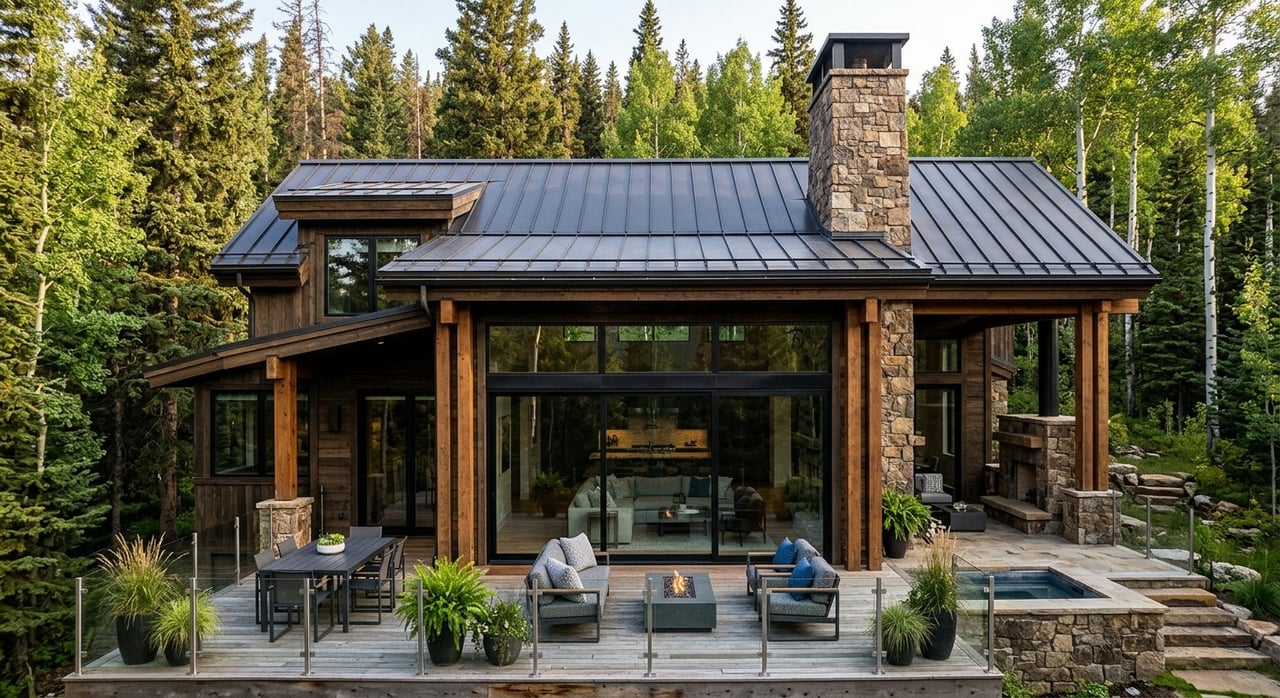
South Valley is much more mixed. You may see log homes, modern farmhouses, mountain contemporary homes, ranch compounds, and estate properties with barns or guest houses. If you want a broader menu of property types, South Valley usually gives you more variety.
Who Usually Prefers Dakota Ridge
Dakota Ridge often fits buyers who want:
- Acreage without going too far from town
- A more defined neighborhood setting
- Paved roads and community water
- Luxury single-family homes with a consistent feel
- Direct or elevated ski-area and canyon views
- A balance between privacy and convenience
For many buyers, Dakota Ridge is the middle ground. It offers more breathing room than many in-town options, but it does not require the same level of logistical commitment as a larger rural parcel deeper in the valley.
Who Usually Prefers South Valley
South Valley often fits buyers who want:
- Larger parcels and more land options
- A broader rural or ranch-style setting
- Flexibility across different property types
- Potential for outbuildings or horse amenities
- Expansive valley, meadow, and mountain views
- More separation from town and neighboring homes
If your vision centers on land first, South Valley may be the stronger fit. It often appeals to buyers who are comfortable weighing road type, utilities, and parcel-specific conditions in exchange for more space and a wider range of possibilities.
Questions to Ask Before You Decide
Before narrowing your search, it helps to ask a few practical questions:
- How often do you plan to drive into town or to the ski area?
- Do you want neighborhood infrastructure, or are you comfortable with more property-specific systems?
- Is your top priority a defined luxury neighborhood or a broader rural setting?
- Are you looking for 3 to 5 acres, or do you want the option for much more land?
- Do you prefer ski-area views, or do you want long-range valley and ranch panoramas?
- How important is winter access simplicity?
Your answers will usually point you in the right direction quickly.
The Bottom Line
If you want acreage living with a closer-in location, paved roads, a community water system, and a more structured neighborhood feel, Dakota Ridge is often the clearer choice. If you want more land, more property variety, and a broader rural setting with wider view sheds, South Valley usually offers more range.
The key is not deciding which area is better in general. It is deciding which one fits the way you want to live in Steamboat. That is where local guidance can make the search far more efficient.
If you are weighing Dakota Ridge against South Valley and want a clearer read on current opportunities, property differences, and the tradeoffs that matter most, The Vanatta Group can help you evaluate the options with neighborhood-level insight and a tailored search strategy.
FAQs
Is Dakota Ridge part of South Valley in Steamboat Springs?
- Yes. Many local guides treat Dakota Ridge as part of the broader South Valley corridor, but it also stands on its own as a distinct, closer-in subdivision.
Which area has larger lots, Dakota Ridge or South Valley?
- South Valley generally has larger lot options. Dakota Ridge homesites are commonly described around 3 to 5 acres, while South Valley listings can range from about 9 acres to well over 100 acres.
Which is easier in winter, Dakota Ridge or South Valley?
- Dakota Ridge often feels more straightforward in winter because it has paved roads and a community water system. In South Valley, winter access can vary more by parcel, road type, and utility setup.
Which area has better views, Dakota Ridge or South Valley?
- It depends on the type of view you want. Dakota Ridge is often known for elevated ski-area and canyon views, while South Valley is more associated with broad valley, ranch, and long-range mountain panoramas.
Is Dakota Ridge closer to town than other South Valley properties?
- In general, yes. Dakota Ridge is commonly described as about a 5 to 7 minute drive to the grocery store or ski area, while South Valley drive times can vary more depending on the property location.
What kind of homes are common in South Valley near Steamboat Springs?
- South Valley includes a wide mix of property types, including log homes, modern farmhouses, mountain contemporary homes, ranch properties, and estates with features like barns, guest houses, or horse amenities.